

6 Brain Health Myths To Watch Out For
Brain health is one of the most heavily marketed and most loosely evidenced categories in supplements. Some claims are genuinely backed by research. Others just sound like they should be. Here's where the line sits.
Myth 1: "Brain supplements make you sharper overnight"
Nutritional support and stimulants work in completely different ways. Nutrients like omega-3s, B vitamins and choline support normal brain function over time, as part of ongoing diet and lifestyle, they're not designed to produce an immediate mental buzz, and a product promising one is describing a stimulant effect, not a nutritional one.
Myth 2: "More omega-3 on the label always means better brain support"
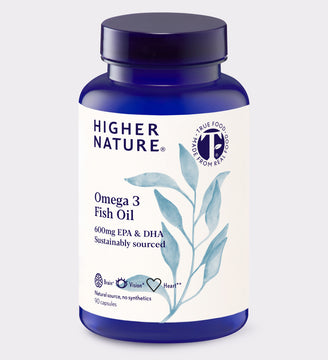
The total milligrams on the front of the pack matters less than most labels suggest. The form matters too: research comparing re-esterified triglyceride omega-3 to the more common ethyl ester form found meaningfully higher absorption into red blood cells over time with the triglyceride form. Two products with identical "1000mg omega-3" claims can deliver quite different amounts to the body.
Myth 3: "Natural nootropics have no real evidence behind them"
Some don't, and it's worth being honest about that rather than assuming every "natural" brain ingredient is equally studied. Others, like Lion's Mane mushroom, have a growing body of research behind them, though much of it is still early-stage. The honest position is ingredient-by-ingredient, not a blanket yes or no.
Myth 4: "Fish oil is the only nutrient that matters for brain health"
Omega-3s get most of the attention, but normal brain function also relies on B vitamins (particularly B6, B12 and folate), choline, and antioxidant nutrients. A narrow focus on one ingredient can miss the bigger nutritional picture, brain-relevant formulations are usually stronger for covering several of these together rather than one in isolation.
Myth 5: "If you don't feel different immediately, it's not working"
This is the same misunderstanding as Myth 1, from the other direction. Nutritional support for normal brain function is a slow, cumulative process, not a switch that flips. Judging a brain-health supplement on how it feels after a week is judging it against a standard it was never designed to meet.
Myth 6: "Brain health is only something to think about later in life"
Normal brain function depends on consistent nutrition at every age sleep, stress, and diet all play a role well before cognitive decline becomes a concern in later life. Treating brain-supportive nutrition as a problem for "future you" misses that the groundwork is being laid now, not just when symptoms show up.
This article is for general information and isn't a substitute for medical advice. If you're experiencing memory or cognitive changes that concern you, please speak to your GP.
Our bestsellers






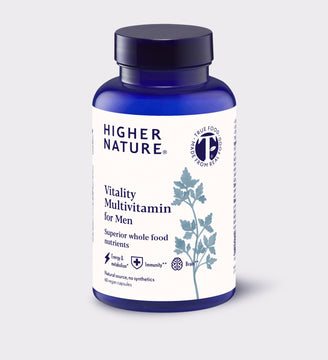
True Food® Vitality Multivitamin for Men
Supports energy, immunity, gut health, beauty & more
From: £29.71


True Food® Whole Minerals
Supports energy, mental performance, immunity, & beauty from within
£22.95


