

6 Things Worth Knowing About Cranberry and Urinary Tract Health
If you haven't already, it's worth starting with 6 Facts About UTIs: And What You Can Actually Do About Them for the everyday basics, hydration, habits, and when it's time to see a GP. This piece goes deeper on the one self-care option people ask about most.
New term, new routine, and for a lot of people, that means less regular hydration, more late nights, and the kind of lifestyle shake-up that tends to coincide with more urinary tract discomfort than usual. Cranberry has been the go-to natural approach for urinary comfort for decades, but "cranberry supplement" covers everything from a weak juice concentrate to a clinically dosed extract and the difference matters more than most labels let on.
Here's what's worth knowing.
1. The cranberry-urinary health link isn't a wellness myth
Cranberry's association with urinary tract comfort goes back generations, and it's held up well to modern scrutiny. The compounds responsible, a specific type of proanthocyanidin found in cranberries, have a well-studied mechanism: they help discourage certain bacteria from sticking to the walls of the urinary tract in the first place. It's a genuinely different approach to urinary comfort than most people assume when they hear "cranberry juice."
2. Not all cranberry compounds are created equal, A-PACs are the ones that matter
The specific compounds behind cranberry's urinary benefits are called A-type proanthocyanidins, or A-PACs. This is the detail most cranberry products don't lead with, because it's the one that determines whether a supplement does anything useful. The commonly cited effective dose in research is 36mg of A-PACs, worth checking against the label rather than assuming "contains cranberry" is enough information on its own.
3. Hydration still matters more than any supplement
No cranberry extract, however well-dosed, replaces the basics: regular fluid intake and not holding on for too long between bathroom visits. If your routine has shifted lately, new schedule, more time out of the house, more alcohol than usual, that's often the real variable, and it's worth addressing alongside anything else you're taking, not instead of it.
4. Concentration varies wildly between products, and the label doesn't always make that obvious
"Equivalent to 48,000mg of fresh cranberries" sounds impressive on a bottle, but concentration ratios and extraction methods vary a lot between brands, and the numbers aren't always presented in a way that's easy to compare. The more useful question to ask isn't "how many milligrams of cranberry," but "how many milligrams of A-PACs, and is that the dose research actually used."
5. A well-sourced cranberry extract should be easy to explain, not just easy to market
Higher Nature's True Food® Oregon Cranberry is built around this exact detail: cranberries sourced from Oregon, delivering 36mg of A-PACs per capsule, the dose reflected in the research, not a marketing-friendly round number. The ingredient list is short by design: cranberry fruit extract and a capsule shell, nothing else. If a product can't tell you its A-PAC content, that's usually the more important gap than anything else on the label.
6. Know when it's time to see a GP instead of self-managing
Cranberry supplements are a reasonable part of supporting urinary comfort day to day, but they're not a substitute for medical care. If symptoms are severe, persistent, accompanied by fever or pain, or keep recurring despite a sensible routine, that's a GP conversation, not a supplement aisle decision. Food supplements support general wellbeing, they're not designed to diagnose, treat, or prevent a urinary tract infection, and any product implying otherwise is overstating what it can do.
This article is for general information and isn't a substitute for medical advice. If you're experiencing urinary tract symptoms that are severe, persistent, or accompanied by fever, please speak to your GP.
Our bestsellers


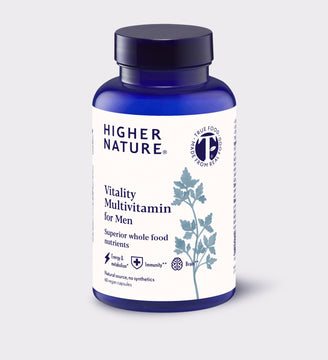
True Food® Vitality Multivitamin for Men
Supports energy, immunity, gut health, beauty & more
From: £29.71

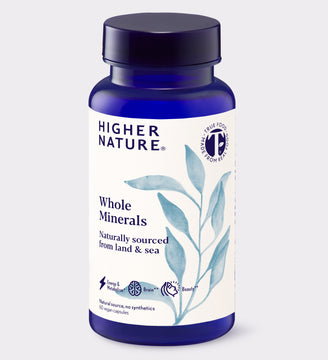
True Food® Whole Minerals
Supports energy, mental performance, immunity, & beauty from within
£22.95


