

6 Facts About UTIs, And What You Can Actually Do About Them
Urinary tract infections are one of the most common health complaints people deal with, and one of the most quietly misunderstood. Here's what's worth knowing, and what genuinely helps.
1. They're far more common than most people realise
More than half of women will experience at least one UTI in their lifetime, and many will have more than one. It's one of the most common bacterial infections overall, common enough that there's little reason for the embarrassment that often surrounds it.
2. Most UTIs start the same way
The majority are caused by bacteria, most often E. coli, which normally lives harmlessly in the gut, travelling into the urinary tract. Anatomy is a big part of why this affects women more often than men: a shorter urethra means bacteria have a shorter distance to travel.
What helps: basic hygiene habits reduce the odds meaningfully, wiping front to back, and urinating after sex to help flush out any bacteria that may have been introduced.
3. Dehydration is one of the biggest risk factors, and one of the easiest to fix
Not drinking enough fluid means less frequent urination, which gives bacteria more time and opportunity to take hold. This is also why UTI risk can spike around lifestyle changes, new routines, more time out of the house, more alcohol than usual, all of which tend to reduce how much water people drink.
What helps: regular fluid intake through the day, not just when you feel thirsty. This is the single most repeated piece of advice for a reason, it's genuinely effective and genuinely under-done.
4. Holding it in is worse than most people think
Delaying bathroom visits for long periods gives bacteria more time sitting in the urinary tract rather than being flushed out regularly. It's a small daily habit that adds up.
What helps: go when you need to, rather than waiting for a more convenient moment. Obvious advice, but one of the most consistently effective.
5. Certain everyday habits quietly raise the risk
Tight, synthetic underwear, scented soaps or douches, and certain contraceptive methods (like diaphragms or spermicide) have all been linked to higher UTI risk by disrupting the natural bacterial balance in the area.
What helps: breathable, cotton underwear, unscented washing products, and being aware that some contraceptive choices carry a higher UTI risk worth discussing with a GP if infections keep recurring.
6. Recurrent UTIs are common, and worth a proper conversation with a GP, not just repeated self-management
If you're dealing with UTIs more than twice in six months, that's a pattern worth investigating properly rather than treating each one in isolation. A GP can check for underlying causes and discuss prevention options, which may include lifestyle changes, and in some cases, evidence-based supplement approaches such as cranberry extract standardised for A-type proanthocyanidins.
What helps: track how often it's happening and raise it as a pattern with your GP rather than waiting for each individual episode to resolve on its own.
When to stop self-managing and get medical help
- Fever, chills, or pain in your back or side (possible sign of a kidney infection)
- Blood in your urine
- Symptoms that don't improve within a day or two
- You're pregnant
- You're caring for an older adult who seems suddenly confused — this can be a sign of infection and needs prompt medical attention
This article is for general information and isn't a substitute for medical advice. UTIs can sometimes need antibiotic treatment, and symptoms can occasionally indicate something more serious — if in doubt, please contact your GP or NHS 111.
Want to go deeper on one of the most evidence-backed self-care options? Read 6 Things Worth Knowing About Cranberry and Urinary Tract Health for the detail on which compounds matter, what does the research uses, and how to tell a well-sourced cranberry extract from a marketing-heavy one.
Our bestsellers


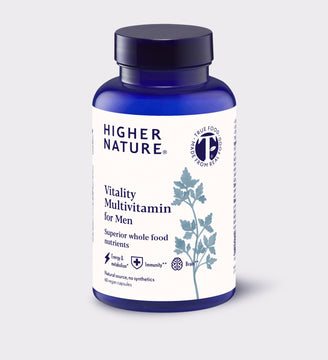
True Food® Vitality Multivitamin for Men
Supports energy, immunity, gut health, beauty & more
From: £29.71

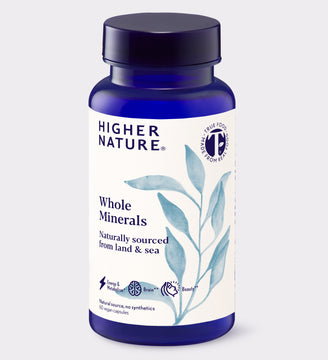
True Food® Whole Minerals
Supports energy, mental performance, immunity, & beauty from within
£22.95


