

Perfect Partners: Lion’s Mane & Ginkgo Biloba
Elizabeth Houston - Higher Nature Nutritional Therapist - Dip BCNH mbant mCNHC
Some things just work better together, apple and cinnamon, tomatoes and olive oil, strawberries and cream… So, we thought, why not do the same with Lion’s Mane and Ginkgo Biloba?
These two ingredients make a fantastic combination for anyone looking to support their mind and give their day a little boost. Both are associated with cognitive health, but they each have their own unique properties. Let’s take a closer look at what makes them such a great partnership.
Ginkgo Biloba
Ginkgo biloba, usually referred to simply as ginkgo, is a traditional herb derived from the leaves of the ginkgo tree. Ginkgo is often referred to as a “living fossil” as it is the only living tree species from its group, which dates back around 200 million years to the time of the dinosaurs.
Its leaves have been used in traditional Chinese medicine for thousands of years, primarily to improve circulation and treat respiratory ailments, but also as a general tonic for health and vitality.
Ginkgo is high in antioxidants such as flavonoids and terpenoids. These compounds have the ability to neutralise free radicals — unstable molecules that can damage cells and may contribute to signs of ageing and disease. Free radicals are produced naturally during exercise, but exposure to toxins such as cigarette smoke and pollution, as well as sunlight, can also increase our exposure to them.
Ginkgo is perhaps best recognised for its potential role in age-related cognitive decline and memory. Analyses have found that ginkgo supplementation may help to stabilise or slow declines in cognition and daily functioning in people with cognitive impairment and dementia. This is thought to be partly due to its ability to increase blood flow to the brain by dilating blood vessels, potentially improving the supply of oxygen and nutrients to brain tissue.
Ginkgo’s potential ability to protect brain cells from toxin damage and reduce inflammation may also help explain some of these findings.
Some promising research has found that extracts of ginkgo biloba may help improve certain symptoms in people with Alzheimer’s disease, although more research is needed to confirm these findings and understand its potential benefits.
In addition, ginkgo has been linked with a number of other potential health benefits. Due to its effects on circulation, there are reports that ginkgo may help with conditions such as varicose veins, vertigo, poor vision, migraines and even tinnitus. However, results are mixed, and more research is needed before we fully understand its effectiveness for these conditions.
Lion's Mane
Lion’s Mane has attracted considerable attention over the past 10 years for its potential to support mental alertness and cognitive function. There have been some promising studies showing improvements in short-term memory, and a recent review of human studies found that Lion’s Mane supplementation may enhance mood and cognitive function in middle-aged and older adults.
This mushroom contains compounds called hericenones and erinacines, which have demonstrated neuroprotective effects and may play a role in supporting brain health.
Lion’s Mane has also been shown to stimulate the synthesis of nerve growth factor (NGF). Increased NGF levels have been associated with improved neurogenesis (the formation of new nerve cells) and neuroplasticity. Neuroplasticity refers to the brain’s ability to change and adapt its structure and function, allowing neurons and neural networks to modify how they connect and communicate. This adaptability supports learning, memory, skill development and recovery following neurological damage.
It may also be helpful for improving mood, one small study from 2010 involving menopausal women found that eating cookies containing 500 mg of Lion’s Mane mushroom daily for one month helped reduce self-reported feelings of irritation and anxiety.
We only use 100% fruiting body extract of Lion’s Mane. The fruiting body, (the above-ground part of the mushroom) contains a high levels of bioactive compounds. Fruiting bodies are often considered preferable to mycelium (roots) and they may contain up to 15 times more active compounds than mycelium.
Due to its effect on blood circulation Ginkgo is not recommended with some blood thinning medication or for those with blood clotting disorders. For drug nutrient interaction or further advice please contact nutrition support.
Our bestsellers


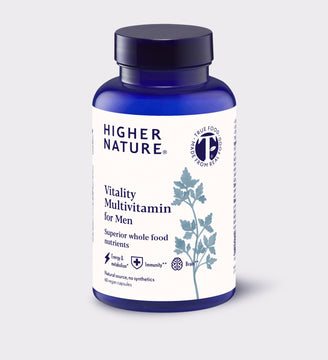
True Food® Vitality Multivitamin for Men
Supports energy, immunity, gut health, beauty & more
From: £29.71

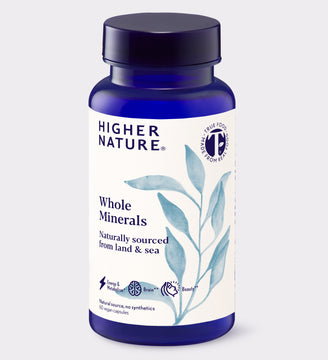
True Food® Whole Minerals
Supports energy, mental performance, immunity, & beauty from within
£22.95
Wisdom & Insight


- Choosing a selection results in a full page refresh.
- Opens in a new window.