

Natural vs. Synthetic Supplements: What’s the Real Difference?
Lynsey Vaughan - Higher Nature Nutritionist & Product Innovation - MSc
Why food-based nutrients work differently in the body
The truth about supplements
Over 90% of supplements are not truly naturally sourced.
Many people assume that vitamins and minerals are inherently “natural.” It’s an easy assumption to make, and one that much of the supplement industry quietly relies on.
In reality, most supplements on the market contain vitamins and minerals that are isolated and synthetically produced. While these ingredients are often presented as 'natural' or 'nature‑equivalent', they are typically far removed from how nutrients exist in real food.
Understanding this difference can help you make more informed choices about what you put into your body.
What are synthetic (isolated) nutrients?
Synthetic or isolated nutrients are created through industrial chemical processes designed to produce individual vitamin or mineral compounds that are stable, inexpensive, and easy to use in supplements and fortified foods.
These processes often involve multiple manufacturing stages and may use petrochemical or laboratory-based solvents. The end result is a nutrient that may resemble a naturally occurring vitamin or mineral in name, but is frequently different in structure and behaviour.
Are natural vitamins and minerals the same as synthetic ones?
In most cases, no.
Nutrients found in whole foods exist in complex forms, alongside enzymes, co-factors, phytonutrients and other bioactive compounds. Synthetic versions are usually simplified imitations designed to replicate a single aspect of the nutrient rather than the full, naturally occurring form.
Even small changes in molecular structure can significantly affect how a nutrient is absorbed, recognised, and used by the body.
A simple example: vitamin B12
Cyanocobalamin is a commonly used synthetic form of vitamin B12. It does not exist in nature. By contrast, B12 found naturally in foods such as shiitake mushrooms occurs in several active forms, including methylcobalamin, adenosylcobalamin and hydroxocobalamin.
These naturally occurring forms are the ones your body is designed to work with.
Why food-based nutrients matter
In nature, nutrients do not occur in isolation. They are part of a highly intelligent, interconnected matrix that makes up whole foods.
This natural complexity is one of the reasons a varied, wholefood-based diet is so beneficial to health, and why supplements should support, not replace, real food.
What are True Food® nutrients?
True Food® nutrients are derived directly from real food sources, including fruits, vegetables, herbs, spices, botanicals, fungi and marine ingredients.
Rather than creating nutrients in a laboratory, whole foods are gently processed (typically washed, chopped and dried), and their naturally occurring nutrients are concentrated using purified water and, where appropriate, natural solvents such as lime juice, coconut aminos or alcohol.
No harsh petrochemical solvents are used.
The result is a nutrient-dense concentrate that reflects the same vitamins, minerals and beneficial compounds found in food, just in a more concentrated and convenient form.
More than just vitamins and minerals
Because True Food® nutrients come from real foods, they naturally contain a broad spectrum of supportive compounds such as polyphenols, flavonoids and antioxidants—that work alongside vitamins and minerals.
These additional compounds can influence how well nutrients are absorbed and utilised, while also offering their own health benefits, including:
-
Antioxidant support
-
Anti-inflammatory activity
-
Free-radical neutralisation
-
Support for cardiovascular, metabolic and gut health
This is something isolated synthetic nutrients simply cannot provide.
Natural vs. synthetic vitamin C: What’s the difference?
Vitamin C is an interesting example. Chemically, vitamin C is known as ascorbic acid, and this compound is the same whether it is made synthetically or found in food.
However, vitamin C in whole foods does not exist alone.
True Food® Vitamin C from rosehips comes with naturally occurring polyphenols and plant compounds that help the body absorb and utilise vitamin C more effectively. These compounds also contribute additional antioxidant and anti-inflammatory benefits that isolated ascorbic acid cannot offer on its own.

Bridging nutrient gaps naturally
True Food® nutrients are designed to complement a wholefood diet, not replace it.
By respecting nature’s intelligent design, they provide a way to gently and naturally support nutrient intake, particularly during times of increased demand or dietary shortfalls.
The future of supplementation
The future of supplements is rooted in nature, not imitation.
True Food® represents a more thoughtful approach to supplementation. One that works in harmony with the body and aligns more closely with how nutrients are meant to be consumed.
Second only to real whole foods, True Food® offers a convenient, food-based way to nourish the body with integrity, simplicity and respect for nature’s wisdom.
Our bestsellers


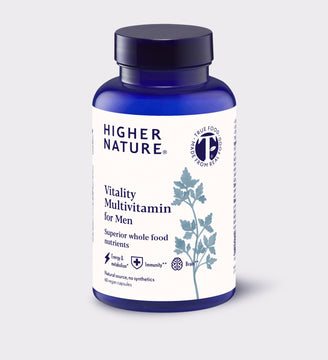
True Food® Vitality Multivitamin for Men
Supports energy, immunity, gut health, beauty & more
From: £29.71

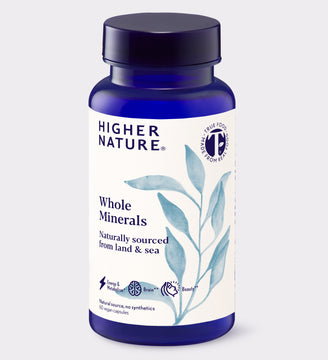
True Food® Whole Minerals
Supports energy, mental performance, immunity, & beauty from within
£22.95